Honoured on LinkedIn: Why We Broadcast Achievements?
Feb 19, 2026
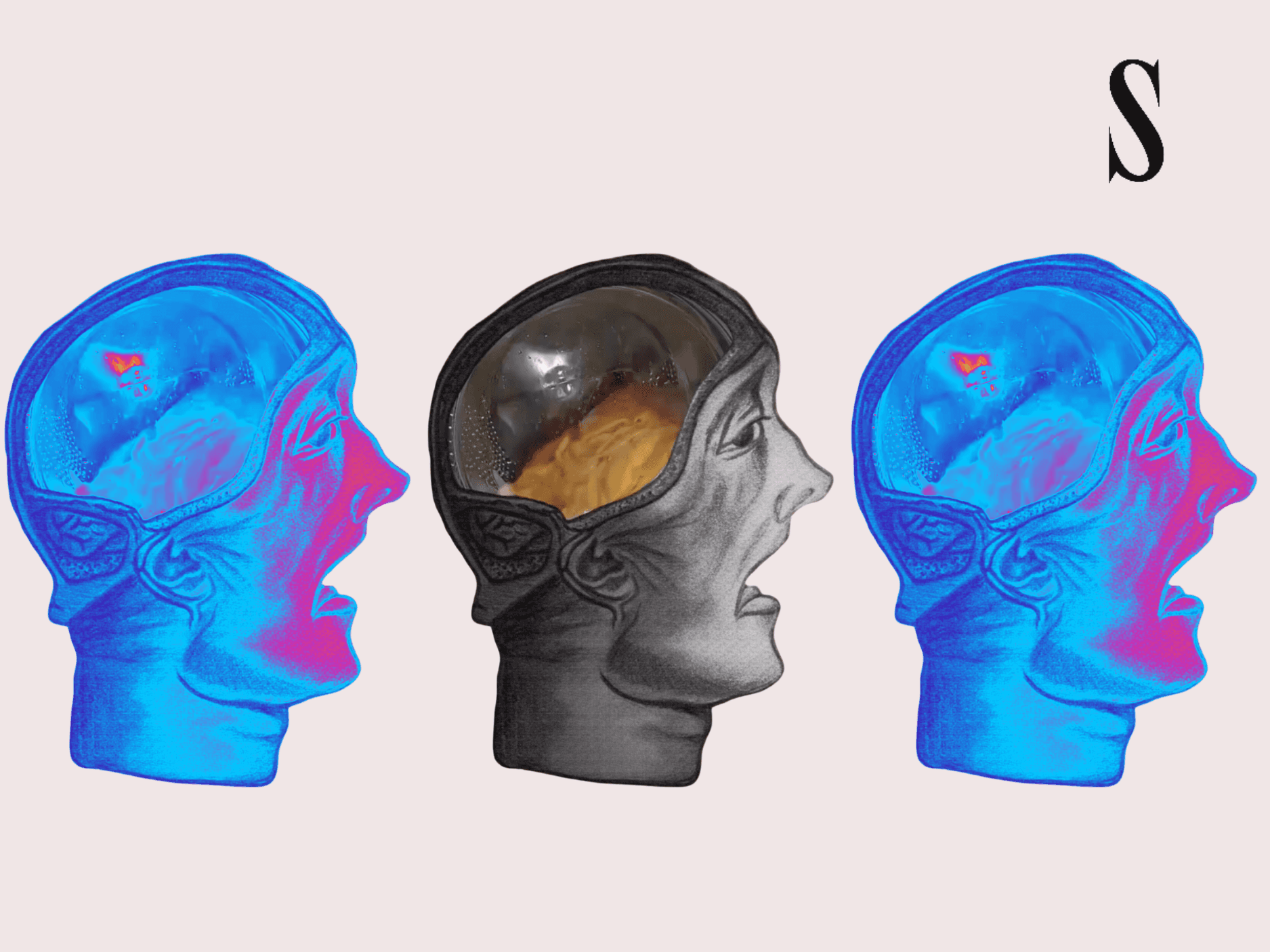
The urge to announce achievements on LinkedIn is often dismissed as vanity, but the truth is more structural and psychological. In a marketplace where visibility determines opportunity, silence feels like disappearance. LinkedIn has become a symbolic arena where professional existence is validated through public proof, and where the absence of self promotion is easily interpreted as the absence of achievement.
What appears as confidence is frequently rooted in fear. It is the fear of being overlooked, underestimated, or professionally invisible. The platform trains its users to believe that unposted success is equivalent to unrealized success. If effort is not displayed, it is assumed absent. This dynamic transforms ambition from an internal driver into an external performance. Achievement becomes something presented for approval rather than something experienced privately.
Corporate culture intensifies this behaviour. Organisations encourage employees to share milestones because it amplifies their brand, not because it empowers individuals. Every achievement post becomes a form of unpaid marketing that serves both the worker and the employer. Over time, the employee takes on two roles. They become the product and also the promoter. Digital loyalty and public positivity are expected rituals, not optional expressions.
The psychology becomes darker once achievements enter the public domain. Comparison becomes unavoidable. Success starts to feel like a competitive spectacle rather than personal progress. Visibility replaces substance as the main measure of value. Careers begin to resemble ongoing performances where applause feels necessary and silence feels dangerous. People construct identities designed for algorithmic approval, shaping themselves into personas that match the platform’s rewards.
The deeper question is not why people share their achievements, but why they feel compelled to. Recruiters treat online presence as a sign of potential. Organisations treat visibility as influence. Public perception often outweighs private capability. In this environment, individuals are forced into a continuous cycle of self documentation. LinkedIn becomes less of a network and more of a stage that demands constant evidence of worth.
The solution is not to reject recognition. Achievement deserves visibility and celebration can open real opportunities. What is needed is an understanding of the psychological machinery behind the ritual. Healthy cultures value substance more than spectacle, evaluation more than exhibition, and growth more than performance. Individuals benefit when they recognise the difference between posting for meaning and posting for protection.
Until then, LinkedIn will reflect our collective anxieties. It will function as a digital arena where people share their successes not to inspire others, but to protect themselves from disappearing. Silence is misinterpreted as failure. Visibility becomes a shield. In a world shaped by these pressures, public achievement becomes less about pride and more about survival.
Type something …
Search